Topics in This Article

Company Overview

DER SPIEGEL is one of Germany’s most renowned media organizations and has stood for independent, investigative journalism since 1947. Based in Hamburg, the SPIEGEL Group reaches around 16 million people each week—across print, digital, and audiovisual channels.

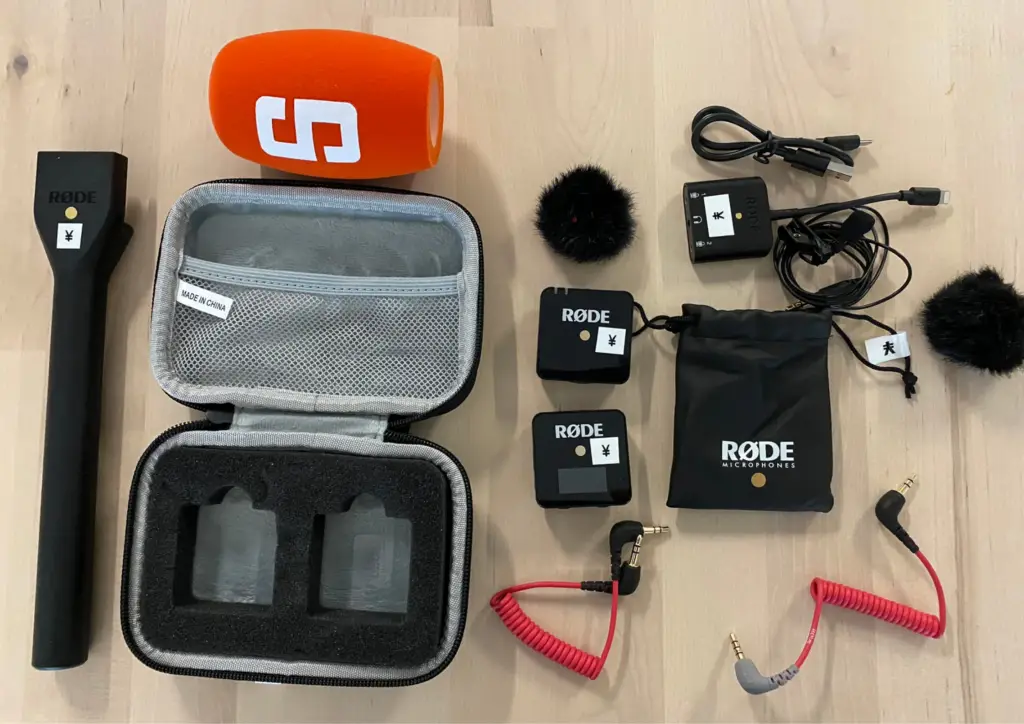
As one of Europe’s most influential news magazines, DER SPIEGEL employs more than 1,300 staff across nine locations in Germany and 20 international bureaus. The editorial teams rely on state-of-the-art technology—including high-quality camera and video equipment used for reporting, interviews, and documentaries both at home and abroad.

To maintain journalistic quality over the long term, the organization needs not only the right equipment but also efficient, reliable processes to manage it. This is where Timly came in.

The Challenge

SPIEGEL teams produce video content almost daily—from news segments and podcasts to documentary formats. This requires technically sophisticated video equipment that frequently moves between locations or is taken on short notice for shoots.

Keeping track of the inventory became increasingly difficult:

  • Limited transparency regarding current equipment logistics
  • Time-consuming handwritten or Excel-based documentation
  • No central overview of who was using which equipment and when it would be available
  • Challenges with scheduling and damage documentation

As the volume of equipment grew and usage increased across multiple locations, so did the need for a modern, intuitive solution to digitally map the entire process—from scheduling to damage management.

The Solution

The team chose Timly—a cloud-based inventory management platform designed specifically for dynamic teams that share equipment.

With Timly, DER SPIEGEL can now manage its camera, audio, and video equipment in a transparent, streamlined, fully digital way:

  1. Assignment, Return, and Transfer: Using Timly’s assignment and transfer features, cameras, lenses, and accessories can be booked directly to employees via QR code. This makes it easy to track usage, handovers, and current locations.
  2. Simplified Scheduling: The scheduling tool enables precise planning for upcoming shoots. The question “Who needs what, when, and where?” can now be answered instantly. Reservations in the system ensure equipment is ready at the right place and time.
  3. Real-Time Damage Management: Defects can be reported directly in the app. Scanning a QR code allows users to upload photos and notes. The system automatically forwards the report to the responsible team, enabling faster repairs.
  4. Transparency and Documentation: All data is stored centrally, making it easy to see the condition of each device, how heavily it’s been used, and when maintenance is due. This information improves long-term planning and reduces downtime.

The Results

Since introducing Timly, DER SPIEGEL has benefited from significantly more efficient workflows and greater structure in its technical operations.

At a glance:

  • Time savings: Management and assignment are digital—no handwritten lists or constant follow-up questions.
  • Transparency: All staff can see where equipment is and when it will be available.
  • Fewer errors: Defects and losses are reported and documented immediately.
  • Greater operational reliability: Clear planning leads to better-prepared shoots and fewer disruptions.
  • Data-driven optimization: Historical usage data provides valuable insights for future purchases.

Key Takeaways

  • Digital asset management saves valuable time in organizing journalistic work.
  • Transparent processes create clarity and prevent bottlenecks during high-pressure production phases.
  • Intuitive usability is crucial for acceptance among editorial teams.
  • Real-time data enables strategic decisions regarding purchases and maintenance.

With Timly, DER SPIEGEL has modernized its technical infrastructure—proving that digitalization doesn’t have to be complicated and can actively strengthen journalistic quality.

Photo: DER SPIEGEL