IT Asset Management (ITAM): Definition, Advantages & Modern Solutions
From insight to action – get to know Timly now!


IT Asset Management: The Foundation of Modern Digital Operations
In today’s fast-paced digital environment, IT asset tracking and IT asset management are essential as businesses navigate a vast range of tech assets, from tangible hardware to intangible assets such as software licenses and digital IT service management. At the heart of this is IT inventory management. With a robust system in place, companies can accurately locate each tech item, determine its condition, and track its lifecycle stage. This approach is about optimizing the value of each asset and circumventing unplanned expenses.
The nature of work has evolved, extending beyond the traditional office setting. With a mix of on-site tasks, remote work scenarios, and external projects, a cohesive IT system is imperative. In this context, IT asset management isn’t merely about monitoring equipment. Instead, it’s a vital tool that enhances efficiency, reduces costs, and propels business growth. As our reliance on IT deepens, vigilantly monitoring these assets is essential for efficient operations.
ITAM is a comprehensive, strategic discipline that enables businesses to manage IT assets efficiently across their entire lifecycle. The result is enhanced transparency, reduced costs, better risk management, and a firm foundation for scaling digital operations. Forward-thinking IT asset management practices and modern ITAM platforms provide integrated solutions for tracking, analyzing, and optimizing all digital and physical IT assets, ensuring that organizations stay competitive and compliant in a digitally-driven global market.
ITAM vs. SAM: What’s the Difference?
IT Asset Management (ITAM) and Software Asset Management (SAM) are closely connected, but they serve different purposes within an organization’s IT strategy. ITAM manages the full lifecycle of all IT assets (including laptops, servers, mobile devices, peripherals, and software) while SAM focuses specifically on software licenses, subscriptions, usage, and compliance.
| Area | ITAM | SAM |
|---|---|---|
| Scope | Hardware + software assets | Software assets only |
| Primary Goal | Asset visibility and lifecycle management | License compliance and software optimization |
| Focus Areas | Procurement, tracking, maintenance, disposal | Licensing, renewals, usage monitoring |
| Main Risks | Asset loss, downtime, lack of visibility | Audit penalties, over-licensing, shadow IT |
| Typical Assets | Laptops, smartphones, servers, accessories | SaaS tools, enterprise licenses, subscriptions |
Although they differ, ITAM and SAM work best together. Software usage is directly tied to physical devices and user assignments, making centralized visibility essential. A unified platform helps IT teams reduce costs, improve compliance, and gain a complete overview of their technology environment.
Common ITAM Challenges
Organizations often struggle with:
- Shadow IT
- Missing device records
- Untracked software licenses
- Remote employee equipment tracking
- Warranty visibility
- Asset lifecycle management
- Compliance reporting
Centralized IT asset management software helps reduce these risks by maintaining accurate, real-time asset records.
IT Inventory Tracking: How to Manage IT Assets
At its core, IT asset management encompasses all the policies, processes, and technical tools necessary for gaining full visibility and control over IT resources. This means far more than simply cataloging computers and mobile phones; it includes infrastructure components, SaaS subscriptions, cloud services, virtual machines, network hardware, and increasingly critical IoT devices.
A robust ITAM approach provides a systematic way to record, assess, and continuously monitor all IT assets (both tangible and intangible) from acquisition to final disposal. Unlike a simple spreadsheet inventory, a modern ITAM system delivers a centralized, dynamically updated record of every asset, supporting IT inventory management and facilitating IT compliance documentation.
This supports decision-making for stakeholders at every organizational level and streamlines collaboration between IT, finance, operations, and compliance teams. Proper IT documentation also ensures that asset histories, configurations, and compliance records remain accurate and accessible throughout the asset lifecycle.
Leading IT Asset Management solutions and asset management software tie together previously siloed systems. By integrating data from ERP, CMDB, project management, and ticketing tools into one unified interface, these platforms enable organizations to manage IT assets smarter and automate complex asset lifecycle processes. Real-time dashboards, detailed asset histories, and customizable reports are now standard, supporting both strategic planning and daily operations.
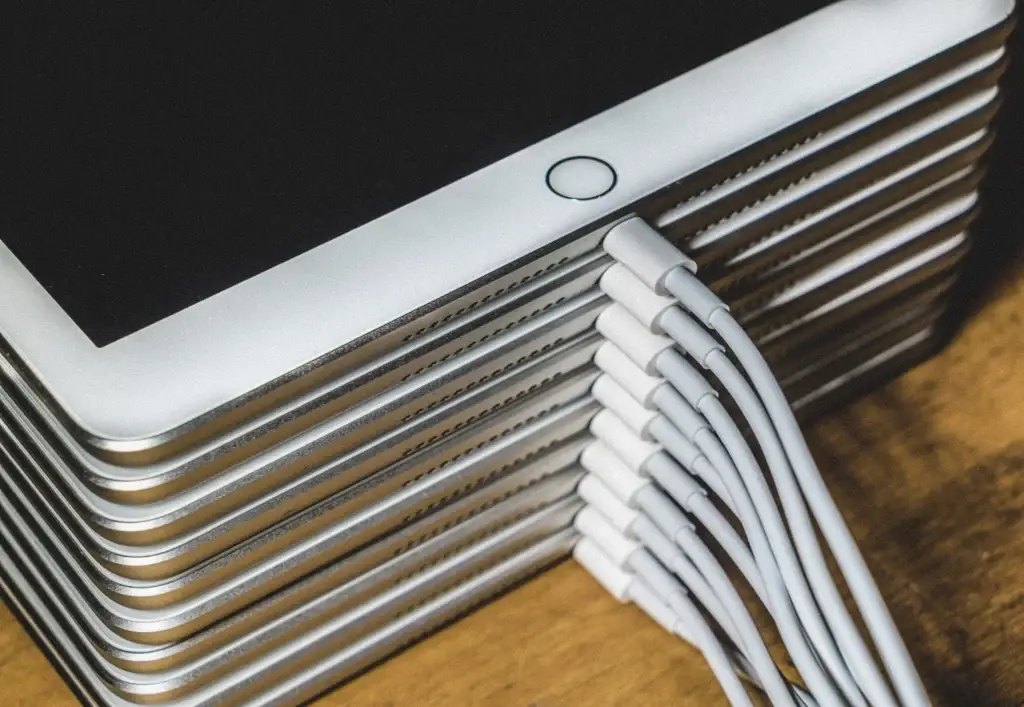
Goals and Benefits of ITAM
Adopting best-practice IT asset management yields measurable benefits that shape both the daily effectiveness and long-term strategy of any organization. Among the most impactful:
- Visibility and Cost Transparency: By maintaining a continuously updated inventory of all IT assets, companies always have a clear view of what technology is deployed, its current status, who uses it, and when it will require replacement or upgrades. This granular tracking helps optimize hardware asset management and software investments, prevents surplus purchases, and eliminates waste from underused software licenses.
- Expenditure Control and Operational Efficiency: Process standardization and the use of automation in IT inventory tracking underpin more intelligent procurement and utilization strategies. This approach reduces unnecessary expenditures and leverages purchase histories for cost-efficient vendor negotiations.
- Enhanced Security & Regulatory Compliance: Comprehensive IT inventory control is integral to maintaining a secure IT environment. By tying IT Asset Tracking to compliance reporting, organizations can ensure that security vulnerabilities are promptly detected and remediated. Automated alerts and audit-trail documentation make it much easier to adhere to national and international standards, such as GDPR.
- Improved Productivity Through Automation: Automated workflows built into modern IT asset inventory management tools handle tasks such as scheduled IT maintenance, license renewals, and security patch distribution, sharply reducing manual intervention and human error.
- Sustainability and Asset Reuse: Sustainable IT asset lifecycle management is essential in today’s resource-conscious world. Through asset repurposing and responsible IT asset disposition, organizations reduce their environmental impact and demonstrate corporate social responsibility.
Ultimately, effective IT asset management best practices empower businesses to maximize asset value, minimize risks, calculate the depreciation of IT assets, and maintain full control over an increasingly digital workplace.
ITAM vs. Device Management
It’s important to distinguish between IT Asset Management (ITAM) and Device Management, as these two disciplines serve complementary but distinct purposes.
ITAM focuses on end-to-end lifecycle management, documentation, and strategic optimization of all IT assets. This includes hardware, software, networks, cloud resources, licenses, and IoT devices. ITAM’s ultimate goal is to give organizations a holistic, actionable overview of all IT assets, supporting both financial and operational objectives.
Device Management, in contrast, addresses the day-to-day technical administration of specific end-user devices (laptops, smartphones, desktops, and peripherals). It is primarily concerned with ensuring devices are configured correctly, securely updated, and compliant with organizational policies.
| Aspect | IT Asset Management (ITAM) | Device Management |
|---|---|---|
| Primary Focus | Holistic, strategic management of all IT resources | Operational management of end-user devices |
| Scope | Hardware, software, cloud, licenses, IoT, virtual assets | Laptops, tablets, phones, printers, desktops |
| Main Objective | Cost transparency, lifecycle optimization, compliance, risk reduction | Real-time configuration, policy enforcement, and device security |
| Example Use Case | Full asset lifecycle incl. warranty tracking and license audit | Automated OS updates, endpoint compliance, and remote troubleshooting |
To illustrate: Device Management might answer “Who is currently using this laptop and has it received the latest security update?” while ITAM goes further to report the warranty status, total cost of ownership, precise location, assigned owner, and compliance status of the associated software licenses.
IT Asset Management & IoT
As industrial and enterprise environments embrace smart technologies, the role of IoT asset management within the broader ITAM domain has grown sharply. The deployment of IoT sensors and asset trackers now allows real-time visibility of physical and digital IT resources across warehouses, production plants, office campuses, and remote sites.
By integrating IoT data streams with ITAM systems, organizations can monitor their assets‘ geolocation, usage intensity, and environmental conditions in granular detail. For example, temperature and humidity sensors attached to critical IT assets can enable predictive maintenance, reduce unplanned downtime and extend equipment life. IT software asset management platforms ingest this real-time data, triggering automated workflows for maintenance, compliance checks, or asset replacement as required.
Practical applications of IoT in IT Asset Management include:
- Live-asset tracking to counter loss, theft, or misplacement of high-value equipment.
- Condition-based maintenance, triggered by sensor-detected usage trends or environmental changes.
- Seamlessly updated inventory records, supporting regulatory reporting and accurate financial accounting.
The synergy between IT Asset Tracking and IoT technology is transformational: companies can now move from reactive troubleshooting to proactive asset stewardship, fortifying both IT operations and corporate sustainability goals.
Practical Implementation of IT Asset Management
A comprehensive ITAM strategy must cover every operational phase related to IT asset inventory management. This includes:
- Initial Inventory Capture: Every physical and virtual IT asset should be meticulously catalogued using modern inventory software. This includes devices, applications, network appliances, cloud subscriptions, and even intangibles such as software-as-a-service (SaaS) licenses.
- Categorization and Asset Valuation: Each asset is classified by category, criticality, and business function. Value is assessed not just by purchase price, but by operational utility, lifecycle stage, and risk profile.
- IT Lifecycle Management: Life cycle processes (covering procurement, deployment, maintenance, upgrade, and secure disposal) should be mapped for every asset. Systems support the scheduling of regular reviews to anticipate end-of-life events and replacement cycles.
- Monitoring & Reporting: Real-time dashboards display cost allocations, usage analytics, and compliance stats. Automated reports support executive decision-making and streamline audits.
- Compliance Management: ITAM systems should automate evidence collection for certifications, data protection policies (such as GDPR compliance), and license management. All documentation is centrally stored, up to date, and ready for inspector review.
Best practices for IT asset management:
- Develop a centralized, digital asset record that integrates with HR and finance for seamless onboarding/offboarding.
- Conduct regular audits to cross-verify physical inventory with digital records.
- Implement IT asset tagging best practices, including clear, scannable barcodes or RFID labels for all movable assets.
- Use cloud based IT asset management platforms to support international teams and remote employees.

Leading Software Solutions for ITAM
Modern ITAM software platforms greatly simplify the complexities of asset tracking, compliance, and workflow automation. For example, the Timly inventory management solution enables native integration of tools like Lansweeper: Lansweeper automatically identifies network assets, their firmware versions, and current software status, providing real-time updates across the organization. This data synchronizes seamlessly with Timly to ensure no asset is overlooked.
ITAM platforms are evolving to provide REST API integrations, allowing connectivity with ERP, finance, helpdesk, and procurement systems. Best-in-class solutions now offer:
- Automated asset discovery and real-time inventory synchronization.
- Customizable rules for IT inventory control and compliance triggers.
- Mobile apps for effortless remote asset management and QR code scanning.
- Cloud-based access, facilitating secure collaboration across distributed teams.
By adopting such solutions, companies boost data quality, create scalable workflows, and eliminate redundancies—building a digital backbone for ongoing IT growth.
Explore the full scope by signing up for the free trial.
For more information, arrange a non-binding demo today.
ITAM Maturity Model: From Basic Tracking to Strategic Optimization
Many organizations begin IT asset management with spreadsheets or disconnected systems. Over time, ITAM evolves into a strategic function that improves visibility, compliance, cost control, and operational efficiency.
| Maturity Stage | Characteristics | Common Challenges |
|---|---|---|
| Basic | Manual spreadsheets, fragmented asset data, reactive processes | Missing assets, inconsistent documentation, limited visibility |
| Managed | Centralized asset database, standardized workflows, maintenance tracking | Limited automation, siloed reporting |
| Optimized | Automated lifecycle management, real-time reporting, integrated workflows, predictive planning | Continuous optimization and scaling |
IT Inventory Tracking and Compliance
Staying compliant in a dynamic IT landscape is increasingly challenging. From GDPR and ISO standards (e.g. ISO 27001) to software vendor licensing agreements, organizations face a growing web of regulations and contractual obligations.
IT asset management underpins compliance by automating license tracking and reducing costly risks like under-licensing and over-licensing. Each software license, subscription, and version is dutifully registered as a unique asset, ensuring all dependencies and records are readily available.
By tying ITAM into configuration management and automated patching, companies can maintain up-to-date records of operating systems, installed applications, device locations, and responsible employees. Reporting features facilitate real-time, audit-ready compliance reports for managers, auditors, or external regulators.
Implementing global IT asset management standards is especially important for organizations with international operations, where local and regional regulations may differ. ITAM provides the structure needed to harmonize controls across borders and accommodate varied regulatory requirements.
ITAM also plays a key role in data protection by documenting data flows, access permissions, and software usage, directly supporting GDPR compliance and other privacy frameworks.
Download Free IT Asset Management Template
Managing laptops, software licenses, peripherals, mobile devices, user assignments, maintenance records, and lifecycle data can quickly become difficult without a structured system.
Our free IT asset management template helps you track IT assets centrally, document device assignments, monitor maintenance and replacement cycles, and maintain a complete overview of your IT inventory.
The template is ideal for IT departments, system administrators, growing businesses, and organizations looking to improve transparency, compliance, and operational efficiency.
Latest Trends in ITAM
ITAM is no longer a static discipline. It continues to evolve with several transformative trends:
- Automation & AI
In addition to routine IT process automation, advanced IT asset management platforms now leverage artificial intelligence and machine learning. These technologies surface usage anomalies, predict failures, and optimize procurement strategies. - Cloud IT Asset Management
Managing cloud-native and hybrid environments is becoming standard. Assets may exist only virtually, as with SaaS instances, cloud databases, and software containers. Effective ITAM must extend its reach to cover these assets, tracking their usage, compliance, and security posture.
- Automation & AI
- IoT Integration
The Internet of Things brings both opportunity and challenge, while sensor data enhances real-time asset monitoring, interconnected devices can also widen the attack surface for cyber threats. Modern ITAM prioritizes tight integration with network security protocols to mitigate these risks.
- IoT Integration
- Data-driven Decision Making
Richer data sets enable organizations to align IT strategy with long-term business goals. Sophisticated analytics dashboards draw on historical and real-time data to uncover trends, highlight risks, and drive future investments.
- Data-driven Decision Making
- Sustainability Initiatives
As sustainability becomes a board-level priority, IT asset inventory management efforts increasingly emphasize green IT standards, asset recycling, and optimized resource use.
- Sustainability Initiatives
What to Look for in IT Asset Management Software
Choosing the right IT asset management software is about more than inventory tracking. Modern IT environments require platforms that support lifecycle management, compliance, automation, and cross-team collaboration.
Here are some of the most important criteria to evaluate:
- Centralized Asset Visibility
A reliable ITAM platform should provide a single source of truth for all hardware, software, accessories, and assigned users. - Lifecycle Management
From procurement to disposal, organizations should be able to monitor asset status, maintenance history, and replacement cycles. - Automation and Notifications
Automated reminders for maintenance, warranties, renewals, or audits help reduce manual work and prevent missed deadlines. - QR Code or RFID Tracking
Fast identification and mobile-friendly tracking simplify inventory management and improve accuracy across locations. - Reporting and Audit Readiness
Detailed reporting capabilities support budgeting, compliance, and internal or external audits. - Scalability Across Teams and Locations
The system should support growing organizations with multiple departments, remote employees, or international sites. - Integration Capabilities
ITAM software should integrate with existing IT, ERP, helpdesk, or procurement systems to reduce data silos. - Ease of Use
Adoption matters. Intuitive interfaces and mobile accessibility help teams use the system consistently.
Timly’s IT asset management software combines these capabilities in a centralized platform designed for both IT and operational asset management. Organizations can track devices, manage assignments, automate maintenance schedules, and maintain transparent documentation through QR-code-based workflows and real-time asset visibility.
ITAM as a Critical Success Factor for Business Success
IT asset management is an indispensable strategic function. When implemented holistically, with close integration between ITAM, device management, IoT asset tracking, and inventory tracking in general, organizations gain full visibility and control over their digital resources.
By deploying advanced, cloud-based IT asset management tools, businesses position themselves to reduce costs, drive innovation, and respond flexibly to emerging risks. Real-time asset insights from across the enterprise, empowered by IoT and automation, create a solid foundation for digital resilience and sustainable IT growth.
Organizations that embrace robust ITAM practices lay the groundwork for stronger compliance, operational excellence, and long-term cost savings, critical factors in creating a future-proof, agile business in today’s digital world.
FAQs About IT Asset Management
The main goal of IT asset management is to provide organizations with full visibility and control over their entire IT asset inventory, encompassing hardware, software, cloud resources, and IoT devices. By implementing ITAM best practices, businesses can optimize asset lifecycles, reduce unnecessary IT costs, support compliance, and increase the security and efficiency of their IT environments.
Best practices for IT asset tagging include assigning unique, scannable asset tags or QR codes to every item in your IT equipment inventory. Asset tags should be durable, easy to read, and integrated into your IT inventory management system. This approach helps streamline audits, simplifies asset tracking, and enables faster identification and replacement of devices when necessary.
Cloud-based IT asset management platforms allow organizations to manage it assets remotely, providing real-time updates and centralized access for distributed teams. They offer high scalability, improved data security, and automatic updates, making it easier to keep your IT documentation up to date. Cloud IT asset management is especially valuable for businesses with multiple locations or remote employees.
IT asset management supports organizations in meeting compliance requirements such as GDPR, ISO 27001, and various software licensing agreements by maintaining accurate records of IT asset inventory and monitoring software usage. Automated compliance reporting and centralized documentation enable faster, more reliable audits and reduce legal and financial risks.
Related Articles

Software License Management: A Complete Guide to Tracking Software Licenses
June 25, 2026
IT Asset Tagging Best Practices: A Practical Guide for Modern IT Teams
January 14, 2026
Enterprise Asset Management: The Complete Guide to Optimizing Equipment
August 7, 2026
Secure IT Asset Disposition (ITAD): Best Practices, Technology, and Strategy
December 10, 2025
RFID IT Asset Tracking: How It Works, Real Costs & Implementation Guide
April 27, 2026