Fire Extinguisher Inspection and Maintenance: NFPA 10 Compliance Made Easy
From insight to action – get to know Timly now!

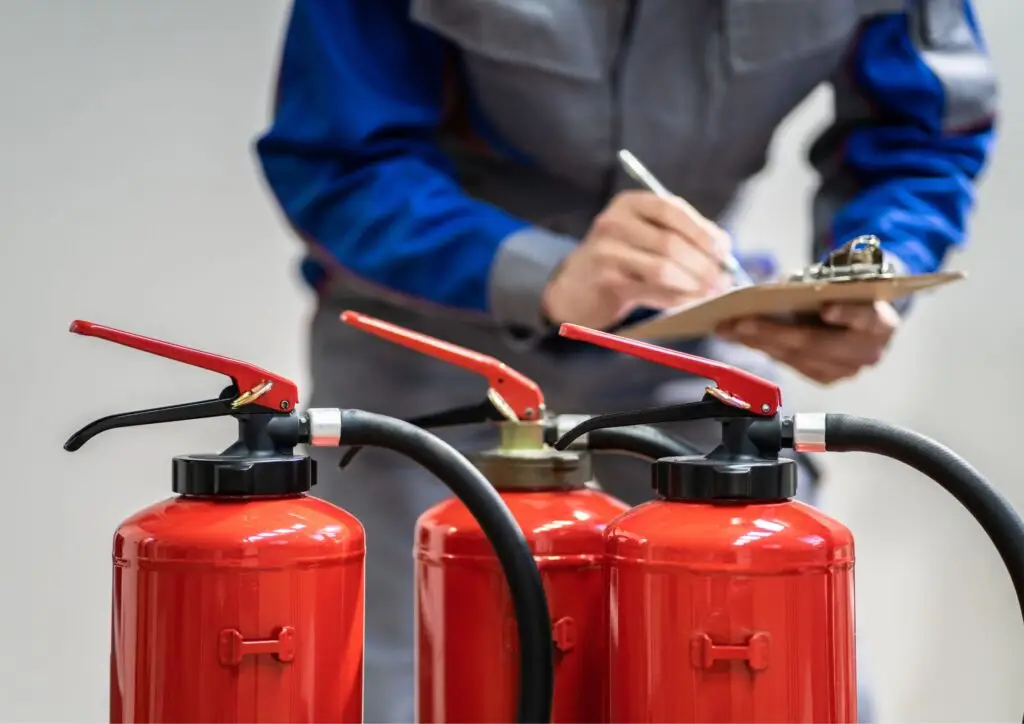
Fire extinguisher inspection is a core responsibility for safety officers, facility managers, and EHS teams in any organization. Fire extinguishers and other fire suppression equipment can only properly protect people and property if fire extinguisher servicing, fire extinguisher maintenance, and fire extinguisher testing are performed regularly according to NFPA fire extinguisher standards and local regulations.
In almost all commercial and industrial environments, keeping portable fire extinguishers on site is mandatory, and the inspection and maintenance of fire extinguishers is essential to keep them ready for use and compliant.
Portable fire extinguisher inspection must follow NFPA 10 standard for portable fire extinguishers or equivalent national rules, and every fire equipment check needs to be documented in a way that internal auditors, external inspectors, and insurers can understand. To achieve this without adding unnecessary bureaucracy, many companies combine fire extinguisher inspection with a digital fire suppression maintenance workflow that keeps intervals, responsibilities, and documentation under control.
Why Fire Extinguisher Inspection and NFPA 10 Matter
The main goal of recurring fire extinguisher inspection, fire extinguisher servicing, and fire extinguisher maintenance is to ensure every unit and item is fully functional at all times.
A professional portable fire extinguisher inspection verifies that the extinguishing agent remains effective, and that discharge mechanisms, hoses, valves, and handles operate as intended. NFPA 10 fire extinguisher inspection requirements and similar regulations define how often testing a fire extinguisher must occur and which components must be included in inspection and maintenance of fire extinguishers.
Beyond compliance with NFPA 10 and local safety codes, the focus of any inspection is to protect employees, visitors, and contractors and to minimize property damage. If a fire occurs and a fire extinguisher inspection has been missed or a fire equipment check was not properly documented, liability and insurance coverage can be affected. Regular fire extinguisher testing, combined with planned fire suppression maintenance, plays a central role in occupational safety, risk management, and successful insurance claims handling.

How Often Inspection, Servicing, and Testing Are Needed
NFPA 10 fire extinguisher inspection requirements and similar standards follow a clear structure for frequency. Portable fire extinguisher inspection is typically required at least monthly as a visual fire equipment check focused on location, accessibility, pressure gauge reading, and visible damage. This monthly testing of a fire extinguisher helps detect obvious issues early and ensures extinguishers are always in place and ready for use.
Formal fire extinguisher servicing and deeper fire extinguisher maintenance must be performed at least once a year by a qualified person. During this annual maintenance of portable fire extinguishers, the extinguisher is examined a lot more thoroughly, and any defective parts are replaced or repaired. In addition to the annual inspection and maintenance of fire extinguishers, NFPA 10 also requires periodic fire extinguisher hydrostatic testing. In general, NFPA standards cover different categories of safety-critical equipment, including electrical equipment maintenance under NFPA 70B.
Depending on the extinguisher type and cylinder material, fire extinguisher hydrostatic testing is typically required every 5 to 12 years to verify the cylinder’s structural integrity and prevent dangerous failures.
Harsh operating conditions, such as heavy vibrations, exposure to chemicals, outdoor installation, or frequent mobile use, can justify shorter fire extinguisher maintenance intervals and more frequent testing of a fire extinguisher. When an extinguisher has been discharged, damaged, or exposed to abnormal conditions, an unscheduled portable fire extinguisher inspection and complete fire extinguisher servicing is required to restore full functionality.
Who May Perform Fire Extinguisher Servicing and Maintenance
Proper fire extinguisher inspection is more than a quick glance at the pressure gauge. NFPA 10 standard for portable fire extinguishers and similar norms require that annual fire extinguisher maintenance, fire extinguisher servicing, and formal fire extinguisher testing be carried out by a trained and qualified person. This competent person must understand basic fire protection principles, NFPA fire extinguisher rules, extinguisher construction and function, and procedures for fire extinguisher hydrostatic testing and maintenance of portable fire extinguishers.
Many organizations train members of their internal safety staff or facility technicians to perform monthly portable fire extinguisher inspection and routine fire equipment check tasks. These internal inspections follow a structured checklist to make sure each extinguisher is present, unobstructed, correctly labeled, and shows no visible damage or missing parts. External service companies or specialized in‑house experts then take care of annual fire extinguisher servicing and maintenance of portable fire extinguishers, including more technical fire extinguisher testing and fire extinguisher hydrostatic testing steps.
Typical Steps in a Fire Extinguisher Inspection Process
A structured fire extinguisher inspection and fire extinguisher maintenance process follows a clear sequence, so no critical detail is missed during portable fire extinguisher inspection and fire equipment check routines. The goal is to combine efficient testing of a fire extinguisher with full compliance with NFPA 10 fire extinguisher inspection requirements and good documentation practices for inspection and maintenance of fire extinguishers.
- Inspection Step 1: Check extinguisher location and accessibility
Confirm each portable fire extinguisher is in its designated place, clearly visible, and not obstructed. This fire equipment check ensures employees can reach and use the extinguisher immediately in an emergency. - Inspection Step 2: Inspect exterior condition and mechanical parts
Look for dents, cracks, corrosion, leaks, or any obvious physical damage to the cylinder, handle, and valve assembly during fire extinguisher inspection. Verify that the pin, tamper seal, and mounting bracket are intact, as these parts are central to safe fire extinguisher servicing and ongoing fire extinguisher maintenance. - Inspection Step 3: Verify charge level and extinguishing agent
Confirm that the pressure gauge of a stored‑pressure unit is in the operable range or that the extinguisher feels full when lifted, as required by NFPA 10 standard for portable fire extinguishers. For cartridge‑operated models, check the cartridge and connection and make sure the agent type and quantity match maintenance of portable fire extinguishers specifications. - Inspection Step 4: Examine hose, nozzle, and labels
Inspect hoses and nozzles for cracks, blockages, or signs of aging as part of testing a fire extinguisher. Ensure operating instructions, NFPA fire extinguisher markings, and safety labels are legible and facing outward to support quick and correct use. - Inspection Step 5: Perform required fire extinguisher hydrostatic testing
At specified intervals, complete fire extinguisher hydrostatic testing to confirm the strength and integrity of the cylinder in line with NFPA 10 fire extinguisher and NFPA 10 fire extinguisher inspection requirements. This deeper fire suppression maintenance step is a key part of long‑term inspection and maintenance of fire extinguishers. - Inspection Step 6: Update records and schedule next maintenance
Document each fire extinguisher inspection, fire extinguisher servicing, and fire extinguisher maintenance results on tags and in your digital system. Set the next due date for portable fire extinguisher inspection, annual maintenance of portable fire extinguishers, and future fire extinguisher hydrostatic testing, so your fire suppression maintenance program stays ahead of deadlines.
Common Defects Discovered During Fire Equipment Checks
Fire equipment check routines often reveal issues that have remained unnoticed in everyday operations. In warehouses, workshops, construction sites, and loading docks, portable fire extinguishers can be bumped by vehicles, knocked off their wall brackets, or blocked by materials. Typical defects found during fire extinguisher inspection include bent or cracked cylinders, missing safety pins, damaged discharge hoses, worn tamper seals, and leakage around valves that negatively affect fire extinguisher servicing outcomes.
Seals and gaskets age over time or are attacked by temperature fluctuations, dust, chemicals, and moisture, which can lead to slow pressure loss. As part of regular fire extinguisher maintenance and inspection and maintenance of fire extinguishers, inspectors monitor the pressure gauge, look for residue around fittings, and compare the unit’s weight with reference values. Corrosion on metallic parts is another frequent problem in humid or outdoor settings, and effective fire suppression maintenance must consider material selection and protective coatings for maintenance of portable fire extinguishers.
Missing or illegible inspection labels create additional risk because it becomes difficult to prove that NFPA 10 fire extinguisher inspection requirements have been met, and an overdue fire extinguisher inspection is treated like a defect.

Documentation Duties in Fire Extinguisher Maintenance
Documentation plays a central role in inspection and maintenance of fire extinguishers and fire suppression maintenance. NFPA fire extinguisher rules, national occupational safety laws, and insurance conditions require proof that fire extinguisher inspection, fire extinguisher servicing, fire extinguisher maintenance, and fire extinguisher hydrostatic testing have been carried out correctly. For each activity, organizations should record the date, responsible person, findings, corrective actions, and the next due date.
The physical fire extinguisher servicing tag attached to the extinguisher is one part of this documentation. Central registers, maintenance logs, or specialized software make inspection and maintenance of fire extinguishers more manageable because they combine fire extinguisher inspection data for all units across all locations. During audits or incident investigations, well‑structured records demonstrate that NFPA 10 fire extinguisher inspection requirements and other applicable rules were followed, which reduces liability risk and supports insurance coverage.
Digitizing Fire Equipment Checks and Fire Suppression Maintenance
More and more organizations are moving away from paper‑based lists and scattered spreadsheets toward digital solutions for fire suppression maintenance and asset management. While simple tools such as spreadsheets can store basic fire extinguisher inspection dates, they quickly hit their limits when you need to manage hundreds or thousands of portable fire extinguishers and other safety assets across multiple sites. Dedicated inventory and maintenance management software like Timly allow companies to treat fire extinguisher servicing, fire extinguisher maintenance, and inspection and maintenance of fire extinguishers as part of a broader asset lifecycle and maintenance strategy.
With Timly, every portable fire extinguisher and every piece of fire protection equipment receives a unique digital record and its own calendar. Responsible persons can then define recurring portable fire extinguisher inspection schedules, fire equipment check intervals, and reminders for fire extinguisher hydrostatic testing based on NFPA 10 fire extinguisher inspection requirements or local rules. Because Timly is cloud‑based and accessible through mobile apps, technicians and qualified inspectors can document testing a fire extinguisher, fire extinguisher servicing, and fire extinguisher maintenance directly at the extinguisher by scanning a QR code.
By using software, all authorized stakeholders then have a central, real‑time overview of inspection and maintenance of fire extinguishers, upcoming fire suppression maintenance tasks, and the overall status of portable fire extinguishers in the organization. This unified view improves workplace safety by making it unlikely that fire extinguisher inspection deadlines are missed, or that required fire extinguisher hydrostatic testing dates are forgotten. Automated workflows reduce manual effort and help safety teams focus on planning, training, and continuous improvement instead of chasing paperwork.
Frequent Organizational Mistakes in Fire Extinguisher Management
Unfortunately, even organizations with a strong safety culture can make mistakes in how they manage fire extinguisher inspection and maintenance. Common issues include missed fire extinguisher inspection dates due to a lack of central planning, incomplete documentation when fire extinguisher servicing logs and fire extinguisher maintenance actions are stored in separate systems, and unclear responsibilities for portable fire extinguisher inspection and fire equipment check tasks. Limited routine control of remote storage areas and rarely visited rooms can also lead to outdated or damaged extinguishers being overlooked.
These weaknesses can be addressed by implementing a digital asset management solution like Timly, defining clear ownership for inspection and maintenance of fire extinguishers, and integrating fire extinguisher testing into standard operating procedures. This approach supports compliance with NFPA 10 fire extinguisher inspection requirements and strengthens the overall fire suppression maintenance program.
Conclusion: Fire Extinguisher Inspections Save Lives
Fire extinguisher inspection, fire extinguisher servicing, fire extinguisher maintenance, and fire extinguisher testing are required by NFPA 10 standard for portable fire extinguishers and by most local fire safety rules because fires are a serious threat to people and assets. Proper inspection and maintenance of fire extinguishers make workplaces significantly safer, while structured fire suppression maintenance and careful documentation provide legal and insurance security. By digitizing portable fire extinguisher inspection and fire equipment check processes with a solution like Timly, organizations can automate NFPA 10 fire extinguisher inspection requirements, avoid missed deadlines for fire extinguisher hydrostatic testing, and maintain a high level of fire protection with less administrative effort.
FAQs About Fire Extinguisher Inspection
Because extinguishers age and can be damaged, regular fire extinguisher inspection, fire extinguisher servicing, and fire extinguisher maintenance ensure they work reliably and comply with NFPA fire extinguisher and NFPA 10 fire extinguisher inspection requirements.
NFPA 10 fire extinguisher inspection requirements call for at least monthly visual portable fire extinguisher inspection and annual professional fire extinguisher servicing and fire extinguisher maintenance, plus fire extinguisher hydrostatic testing every few years depending on type.
Fire extinguisher hydrostatic testing is a pressure test of the cylinder to confirm its strength and integrity, and it is a mandatory part of inspection and maintenance of fire extinguishers and maintenance of portable fire extinguishers under NFPA 10.
Inspection of portable fire extinguishers is a quick visual fire equipment check to confirm the extinguisher is present, undamaged, and fully charged, while maintenance of portable fire extinguishers is a deeper service that can involve disassembly, repairs, recharging, and more detailed fire extinguisher testing.
A digital system centralizes inspection and maintenance of fire extinguishers, tracks portable fire extinguisher inspection schedules, and automates reminders, making it easier to meet NFPA 10 fire extinguisher inspection requirements and prove proper fire extinguisher servicing, fire extinguisher maintenance, and fire extinguisher testing.
Related Articles

NFPA 70B: Complete Guide to Electrical Equipment Maintenance & Compliance
August 11, 2026
ISO 13485: Medical Device Safety Inspections Under Medical Device Regulation and FDA Rules
August 27, 2026
Visual Inspection & Visual Checking: Standards and Process in Manufacturing and Maintenance
February 11, 2026
Racking Inspection in Warehouses: Requirements, Intervals, and Checklists
April 21, 2026