Electrical Installation Condition Report (EICR): Requirements, Process, and Compliance
From insight to action – get to know Timly now!

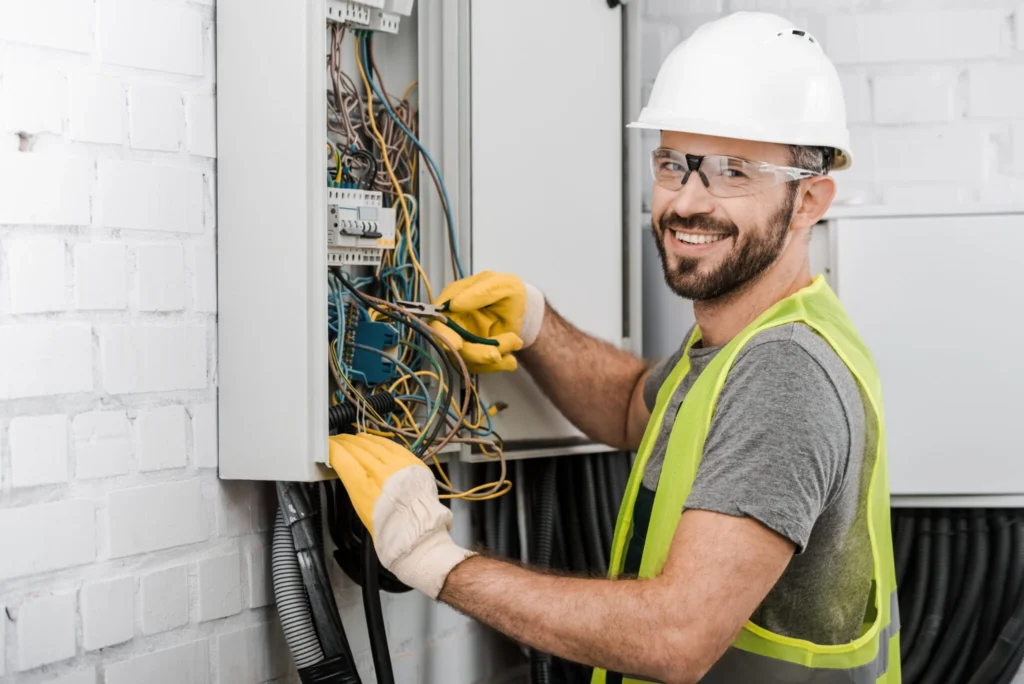
Electrical safety is a critical component for any facility, whether residential, commercial, or industrial. Periodic evaluation of electrical installations is not only recommended by safety organizations, but it is also required by law in many cases. At the heart of this process is the Electrical Installation Condition Report (EICR)—a comprehensive electrical condition report produced after a detailed electrical inspection and electric testing of your property’s wiring, distribution boards, and other components.
What is an Electrical Installation Condition Report (EICR)?
An Electrical Installation Condition Report, often referred to simply as an EICR, is a structured assessment designed to identify potential dangers, faults, or areas of non-compliance within an electrical system. Electric testing professionals carefully inspect, measure, and analyze every aspect of the system, ensuring that all components meet regulations and function safely.
Once the testings have been done successfully, the EICR documents any issues that have been observed, categorizes and evaluates potentials risks, and recommends any corrective actions or further investigations.
This electrical safety testing process evaluates the overall integrity of wiring, switchgear, outlets, and fixed appliances. Not only does it detect corrosion or aging infrastructure, but it also ensures that load capacities are not exceeded, and protective devices function as intended.
A well-executed EICR check is the best defense against the hazards of electrical incidents. This is not just valuable for the people working with the electrical tools or machines in question but it also provides peace of mind to building owners, managers, and tenants.
The Electrical Inspection Process
Electrical inspections are comprehensive procedures that cover more than simple functionality. During an electrical inspection, certified professionals use standardized electric testing equipment to assess core building systems and identify any faults.
They check for physical damage, outmoded wiring, overloaded circuits, or any evidence that safety rules are not being followed. In addition, visual and functional checks of fuse boxes, outlets, lighting circuits, and bonding arrangements help determine whether installations comply with safety regulations.
A key part of the electrical safety testing is the use of calibrated instruments to measure insulation resistance, earth continuity, polarity, and protective device operation. Test results are meticulously documented, and all observations are coded—for example, issues posing immediate danger may receive code C1, while items needing improvement but not presenting immediate danger get code C3. These codes provide a clear indication of the urgency and nature of any required action.

What Your Electrical Condition Report Contains
A completed electrical condition report provides invaluable insights into the health and safety of an electrical system. These insights can then be used to plan next steps. It lists:
- Technical data and readings for each tested circuit or device
- Details of observed hazards or defects
- Classification of risks, with clear recommendations for remedy
- Dates for the next required EICR check, supporting ongoing compliance
The report explains whether the installation can continue to be used while also identifying elements that must be addressed before safety can be assured. Insurance providers, regulatory agencies, and new tenants often request an up-to-date EICR as proof of responsible property management.
Why Electrical Safety Testing Matters
It seems obvious why electric safety testing is so crucial because electric testing is more than a regulatory requirement. Instead, it is a fundamental practice that protects lives and property. Electrical inspection and EICR checks reduce the likelihood of incidents caused by faulty wiring, overloaded circuits, or deteriorated components.
When performed consistently, these measures prevent fires, electrical shocks, and costly power outages. Businesses gain the added benefit of uninterrupted operations and reassurance that legal standards are being met throughout all facility assets.
Cloud-Based Solutions for Electrical Safety and EICR Management
Advances in cloud-based inspection software have revolutionized how electric testing data is handled. Modern platforms and digital tools make it easier for safety professionals and facility managers to record, store, and analyze their electrical condition reports from any location.
Having all data accessible in the cloud at all times and from anywhere means that EICR results are always available. These results entail details such as electrical inspection schedules and safety documentation. If there are audits or compliance checks, responsible personnel can quickly review the data to infer next steps.
These systems also streamline the workflow, making it possible to schedule routine inspections, attach supporting documents, and coordinate maintenance teams without delay. With secure encryption and access controls, businesses can ensure that sensitive information about their electrical safety testing is properly protected.
Key Features of Electrical Inspection and Testing Platforms
When considering digital solutions that support electrical inspection and electric testing, decision-makers should look for tools and platforms that offer:
- Comprehensive search and reporting capabilities for all safety data
- Robust asset categorization and customizable forms to match local regulations
- Cloud-based collaboration and real-time updates for maintenance teams
- Integration options with business analytics and maintenance scheduling software
Utilizing professional inspection software ensures that all electrical condition reports are complete, compliant, and immediately accessible, minimizing the risk of overlooked responsibilities.
It cannot be understated how important the right software is for correct and precise electrical testing.

The Importance of Choosing Professional Inspection Services
Expertise plays a crucial role in successful electrical safety testing and inspections. Only licensed electricians or certified electrical contractors should carry out EICR checks and generate electrical condition reports. Their training and experience guarantee accurate measurements, reliable diagnoses, and proper adherence to relevant standards.
This is especially important as regulations evolve alongside technical advancements, such as energy-efficient upgrades and renewable integrations.
Choosing professional and well-respected inspection services also provides organizations with the necessary trust with regard to the results. Only if they can be trusted can further steps be taken.
When Should EICR Checks Be Performed?
The frequency of EICRs depends on the type of item being checked. In case of commercial properties, they typically require an electrical installation condition report every five years, while residential buildings are inspected every ten years or at the change of tenancy. High-risk facilities or sites with heavy equipment may need more frequent electrical safety testing and inspections to ensure ongoing compliance.
Also, in a lot of cases, aging machines, facilities, and so on also need more frequent testing as constant use can lead to deterioration.
Addressing Identified Risks
Following an electrical inspection, any item flagged in the condition report as dangerous or potentially dangerous should be rectified without delay. Being able to view the report digitally helps to instantly work on solving the issue at hand.
This may involve electric repairs, rewiring, upgrading protective devices, or scheduling follow-up EICR checks for re-assessment. Proactive management of such issues is essential to preventing accidents, protecting property, and maintaining compliance.
From Compliance to Confidence: The Value of EICR Inspections
Electrical installation condition reports, electric testing, and comprehensive electrical inspections support both safety and success. Through regular EICR checks and methodical electrical safety testing, companies, stakeholders, and staff fulfill their responsibilities, secure insurance coverage, and maintain a safe environment.
Cloud-based solutions make this process even more efficient, delivering instant documentation, collaboration, and streamlined compliance management. By prioritizing professional inspections and embracing advanced digital platforms, businesses can confidently safeguard their electrical systems for years to come.
FAQs About Electrical Installation Condition Report
An EICR is a formal inspection and documentation of your property’s electrical system, designed to ensure all wiring and installations meet safety standards and legal requirements.
Commercial properties should be inspected every five years, and residential properties every ten years or with a change of occupancy. Higher-risk environments may require more frequent tests.
Routine electric testing prevents accidents, identifies hazards before they escalate, maintains compliance with building codes, and protects both people and property.
Certified electricians or licensed electrical contractors are qualified to conduct electrical safety testing and generate electrical condition reports, ensuring standards are met.
Any hazards listed as C1 (danger present) or C2 (potentially dangerous) should be resolved immediately. Follow-up inspections may be needed to confirm full compliance.
Related Articles

Electrical Repair and Industrial Electrical Maintenance: A Practical Guide
July 1, 2026
NFPA 70B: Complete Guide to Electrical Equipment Maintenance & Compliance
August 11, 2026
Electrical Equipment Safety Regulations 2016: A Complete Guide
September 1, 2025
Industrial Maintenance: Definition, Types, Benefits & Best Practices
July 21, 2026
Medical Equipment Maintenance: Regulations, Inspection Intervals, and Electrical Safety
October 11, 2025
ISO 13485: Medical Device Safety Inspections Under Medical Device Regulation and FDA Rules
August 27, 2026