Facility Management: Smart Guide to Efficient Facilities Maintenance
From insight to action – get to know Timly now!

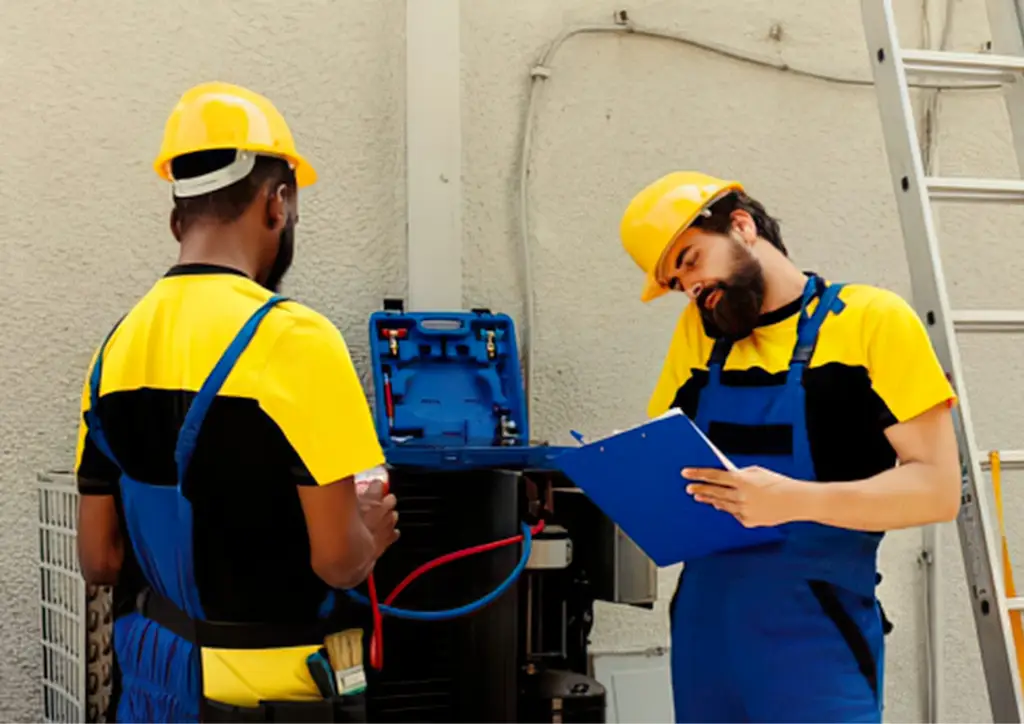
Facilities maintenance is essential to ensure that buildings, infrastructure, and technical systems operate safely and without any unexpected downtime. In various industries such as construction, manufacturing, logistics, and the public sector, professional facility management helps prevent costly breakdowns of machines and equipment, HVAC issues, or failed safety inspections.
What Is Facilities Maintenance?
The term “facilities maintenance” refers to all technical, organizational, and administrative activities required to maintain and ensure the proper functioning of buildings, technical systems, and physical assets. Its goal is to keep operations in facilities safe, efficient, and always available.
In practice, facilities maintenance includes topics such as building maintenance management, infrastructure upkeep, and the servicing of critical equipment that supports business continuity. This type of maintenance includes inspections, repairs, and monitoring of electrical systems, HVAC, plumbing, fire protection, and external infrastructure.
The primary objective of facility management is to extend the lifespan of assets. It helps prevent unexpected shutdowns, ensures compliance with regulatory inspections, and creates a safe and comfortable environment for employees and users.
Facilities Maintenance vs. Facility Management
Even though the terms facility maintenance and facility management sound similar, there is a strong distinction to be made between the two.
While facility management oversees all services required to operate a building, facilities maintenance focuses specifically on technical work. Facility management also defines strategy and budgets, while facilities maintenance executes the technical work needed to maintain operations.
- Facilities maintenance: Operational and technical tasks such as inspections, repairs, and system upkeep.
- Facility management: Strategic coordination of services including cleaning, security, energy, and workplace services.
In larger organizations, building and facilities management typically combines both levels.
Types of Facilities Maintenance
There is no single approach to facilities maintenance. Instead, effective maintenance facility management combines several strategies depending on asset criticality.
- Corrective Maintenance: Performed after a failure occurs (e.g., elevator breakdown). Easy to organize but leads to downtime and higher costs if overused.
- Preventive Maintenance: Scheduled maintenance based on time or usage. Essential for systems like HVAC, fire protection, and electrical installations.
- Condition-Based Maintenance: Uses real-time data (temperature, vibration, energy use) to detect early signs of wear.
- Predictive Maintenance: Applies data analysis to anticipate failures and optimize intervention timing.
In building facility management, preventive maintenance is typically the foundation, complemented by predictive strategies for critical assets.
Key Areas: Buildings, Infrastructure, and Technical Systems
Most building and facilities management setups focus on three main areas: buildings, external infrastructure, and technical systems.
Building Maintenance Management
Building maintenance management includes the structural and interior elements of a facility, such as facades, roofs, windows, and interior spaces. Tasks include roof inspections, leak repairs, painting, and structural upkeep.
In commercial facility maintenance, this ensures safety, compliance, and a professional appearance across offices, industrial sites, hospitals, and retail spaces.
Infrastructure and Technical Systems
This includes roads, parking areas, walkways, drainage systems, and outdoor lighting, as well as technical systems such as electrical installations, HVAC, plumbing, fire protection, elevators, and access control systems.
Facilities maintenance in this area is critical for safety. It supports regulatory compliance and helps ensure uninterrupted operations.
Public and Sports Facilities Maintenance
Facilities maintenance in public environments has a particularly high impact on users and communities. It plays a key role in keeping public buildings and sports facilities safe, accessible, and available for everyday use.
Municipal Building Maintenance
The maintenance of public buildings such as schools, city halls, and community centers must first and foremost ensure safety and accessibility. These buildings also need to remain continuously available for public use. Strong documentation, budgeting, and clear prioritization are also required.
Sports Facility Management
Facilities maintenance for sports venues includes surfaces, seating areas, locker rooms, and technical systems such as lighting and irrigation. Preventive maintenance is crucial as it helps ensure user safety and extends the lifespan of assets.

How to Create a Facilities Maintenance Plan
A structured plan is essential for effective facility management. It defines assets, service levels, and maintenance strategies.
A typical facilities maintenance plan includes:
- A complete asset inventory across buildings and locations.
- Classification of assets by criticality.
- A preventive maintenance schedule aligned with legal and operational requirements.
- Assignment of responsibilities and workflows for work orders.
Many organizations use CMMS (Computerized Maintenance Management Systems) to support building maintenance management and automate processes.
Digitizing Preventive Facilities Maintenance
Digital tools significantly improve facilities maintenance by centralizing data and workflows. Instead of relying on spreadsheets or manual tracking, facility management systems provide a single source of truth for assets, maintenance history, and work orders.
Benefits of Digital Facility Management
- Schedule and track mandatory inspections for HVAC, electrical systems, and fire protection.
- Gain full visibility of all buildings and assets.
- Prioritize maintenance based on asset criticality.
- Document work with photos, checklists, and digital signatures on-site.
How CMMS Supports Facility Management
A CMMS enables efficient maintenance facility management by:
- Centralizing asset inventories across buildings and locations.
- Using QR codes or barcodes for quick on-site access to asset data.
- Automating preventive maintenance scheduling.
- Providing full maintenance histories for audits and compliance.
This transforms facilities maintenance from reactive to proactive and data-driven.
One example of a CMMS solution that supports this approach is Timly’s maintenance management software, which helps organizations manage assets, maintenance workflows, and documentation in a centralized system.
Practical Example: Industrial Company
As an example, consider a manufacturing company with multiple facilities, HVAC systems, production lines, and internal maintenance teams.
For a case like this, a structured facilities maintenance approach should include:
- Creating a full asset inventory (HVAC, compressors, electrical systems).
- Defining preventive maintenance schedules based on manufacturer guidelines.
- Automating work orders through a CMMS.
- Using QR codes for instant access to asset data on-site.
- Tracking KPIs such as failure rates and response times.
This approach improves transparency, reduces downtime, and simultaneously enhances the efficiency of building facility management.
Summary of Maintenance Types
In facility management, the most commonly used maintenance types include:
- Corrective maintenance for non-critical failures.
- Preventive maintenance for safety-critical systems.
- Condition-based and predictive maintenance for high-value assets.
Together, these maintenance strategies form the foundation of efficient building maintenance management and help organizations balance cost, safety, and performance. Digital tools such as smart CMMS software support these processes by improving planning, documentation, and traceability.
Conclusion: On the Importance of Building Facility Management
Building facility maintenance has evolved into a strategic function within general facility management. It’s clear that companies that rely solely on reactive maintenance face higher risks, increased costs, and more frequent operational disruptions.
Combining preventive maintenance, structured planning, and digital tools like CMMS enables organizations to gain full control over their building and facilities management processes. Platforms such as Timly help centralize asset data, streamline maintenance workflows, and improve overall efficiency in daily operations.
FAQs About Facility Management
Facility management is the strategic coordination of all building services, while facilities maintenance focuses on technical tasks like repairs, inspections, and system upkeep.
Even though all tasks regarding facility management are important, there are some critical systems that should take priority due to their impact on safety and operations. These systems include electrical infrastructure, fire protection, HVAC, elevators, and more.
A CMMS becomes valuable when managing multiple buildings, numerous assets, or compliance-heavy environments where manual tracking is no longer sufficient. In general, a CMMS can be extremely valuable for all topics related to building and facilities management.
Key metrics include downtime, preventive vs. corrective maintenance ratio, response time, resolution time, and compliance with inspection schedules.
Related Articles

Industrial Maintenance: Definition, Types, Benefits & Best Practices
July 21, 2026
Maintenance Management & Servicing: Definition, Strategies, and Digital Management
February 23, 2026
Building Automation: Smart Systems and Practical Solutions for Facility Management
August 7, 2025
Total Productive Maintenance (TPM): Method, Benefits & Examples
May 6, 2026
CMMS Meaning: What It Is, What It Stands For, and How It Works
June 19, 2026
NFPA 70B: Complete Guide to Electrical Equipment Maintenance & Compliance
August 11, 2026