Topics in This Article

Medical equipment maintenance is the basis for patient safety, legal compliance, and efficient workflows in hospitals, medical practices, and care facilities. At the same time, medical equipment maintenance complements inspections and checks so that devices function reliably and downtime is minimized.

What Is Medical Equipment Maintenance?

Medical equipment maintenance includes all preventive and corrective activities that are required to ensure the safety, functionality, and electrical safety of a medical device throughout its life cycle. This covers regular servicing, safety-related checks, electrical checks of medical devices according to applicable standards, as well as additional metrological controls (MTK) where required. Medical equipment maintenance is therefore more than just repair; it is a structured framework for managing the condition of all medical devices.

An important distinction is the one between medical equipment maintenance and one-off inspections. Maintenance comprises preventive measures such as cleaning, adjustment, replacement of wear parts, and minor repairs. The associated checks within medical equipment maintenance, on the other hand, confirm at defined intervals that the device may still be operated safely and that legal and normative requirements are met.

In practice, medical equipment maintenance and safety checks always interact: maintenance prepares the devices for safe operation, and checks verify that this safety is actually achieved.

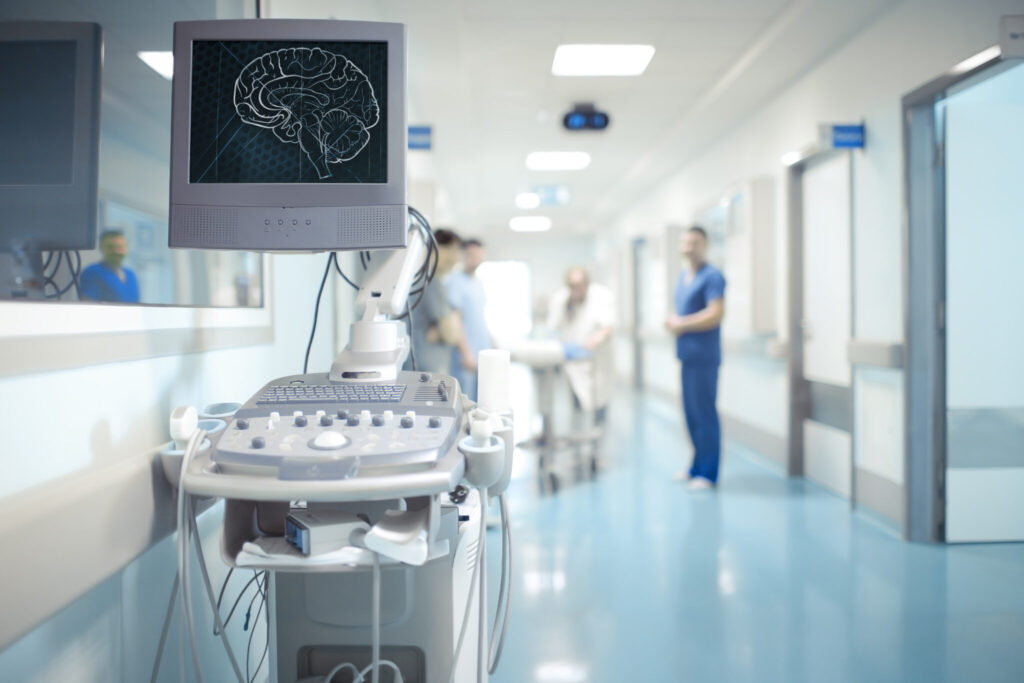
Medical Equipment Maintenance is extremely important within hospitals or private practices

Legal Foundations & Regulations

The legal framework for medical equipment maintenance is defined by medical device law, occupational safety requirements, and manufacturer specifications. In Germany, the base text refers to MDR and MPBetreibV; in other regions, similar obligations arise from national regulations and technical standards. In all cases, operators must ensure that medical equipment maintenance is performed regularly and that all measures can be fully documented.

In addition, standards define how electrical safety checks and comparable inspections must be carried out as part of medical equipment maintenance. These standards regulate test procedures, measurement quantities, and limit values, especially for the electrical checking of medical devices. If required measures within medical equipment maintenance are not carried out on time or are completely omitted, this can lead to liability risks in the event of damage, regulatory requirements, or even bans on operating individual devices.

Safety And Performance Checks As Part Of Medical Equipment Maintenance

In the US context, periodic safety and performance checks for certain active medical devices are usually defined by the manufacturer and guided by standards and hospital policies, rather than a formal “STK” term from German regulation. These recurring inspections are a fixed component of medical equipment maintenance and are closely integrated into maintenance schedules for the respective devices. During such a check, electrical safety, functionality, alarms, and other safety‑relevant properties are verified to prevent hazards for patients and users.

A typical example is medical equipment maintenance for a defibrillator. Defibrillators are active medical devices that act on the heart and muscles via electrical energy and therefore require regular safety and performance checks. In many hospitals, the first comprehensive check takes place shortly after the device is put into service, followed by recurring inspections at intervals defined by the manufacturer, internal biomedical engineering policies, and applicable standards—often around every one to two years, with shorter cycles if the use case or risk profile demands it.

Electrical Checks Within Medical Equipment Maintenance

Electrical checks are a central element of medical equipment maintenance for all electrically operated medical devices. The relevant standards define test sequences, measurement tasks, and limit values for leakage currents, insulation, and protective earth resistance. In everyday operations, these requirements are implemented as recurring electrical checks that are embedded in medical equipment maintenance.

The typical process includes a visual inspection, electrical measurements, and a functional test. Visual inspection looks for damage to housings, plugs, cables, and accessories. During measurements, parameters such as protective conductor resistance, insulation resistance, and leakage currents are recorded. The concluding functional test verifies that the device works as intended.

Medical Equipment Maintenance is being discussed by a group of hospital employees and doctors

Metrological Control Of Medical Devices

In addition to safety-related aspects, the accuracy of measured values plays a major role, especially for measuring devices. For this reason, metrological control (MTK) is prescribed for selected devices such as thermometers, blood pressure monitors, and therapy dosimeters. In the context of medical equipment maintenance, these controls ensure that measurement results remain reliable and that limits and therapy parameters are adhered to.

The intervals for such metrological controls are clearly defined and usually range from one to several years. As part of medical equipment maintenance, it must also be ensured that extraordinary checks are carried out if there are indications of incorrect measurements, for example if values deviate unexpectedly in practice. In this way, metrological control and medical equipment maintenance together ensure that both safety and measurement accuracy remain on a reliable level.

Medical Equipment Maintenance vs. Inspection

As already mentioned, medical equipment maintenance and one-off inspections are not identical, but complement each other. Medical equipment maintenance includes preventive and corrective measures that keep devices functional and extend their service life. This includes condition checks, replacement of parts before damage occurs, and cleaning of components. These measures are usually based on general technical principles and manufacturer requirements.

Checks within medical equipment maintenance verify at set intervals whether the device continues to meet all legal and normative requirements despite aging, heavy use, and repair work. In practical terms, this means that a defibrillator requires both regular medical equipment maintenance, for example battery replacement and electrode checks, and periodic safety-technical controls. Similarly, infusion pumps and ventilators must be maintained preventively and additionally checked in accordance with the manufacturer’s specifications and applicable regulations.

Who May Perform Medical Equipment Maintenance?

The requirements for persons who carry out medical equipment maintenance and the associated checks are defined in regulations and standards. In general, the personnel must be professionally competent and have completed appropriate training, as well as several years of relevant professional experience. Employees of authorities or external service providers can also take on tasks within medical equipment maintenance, provided they fulfil these competence requirements.

In addition to professional qualifications, independence is important. The specialists responsible should not be subject to instructions regarding their technical assessment so that maintenance and the evaluation of results remain objective. Furthermore, suitable measuring and testing equipment as well as an appropriate infrastructure must be available so that all required measures can be carried out correctly and documented in a traceable manner.

Practice Examples, Responsibilities & Checklist

Operators of hospitals, medical practices, emergency services, and care facilities are responsible for ensuring that all required devices are included in medical equipment maintenance and that all measures are carried out on time. This includes defining maintenance and inspection intervals, commissioning qualified internal staff or external service providers, and documenting every step. Medical equipment maintenance must therefore be anchored in the organization’s processes and supported by clear responsibilities.

Typical measures within medical equipment maintenance, closely aligned with the base text, include:

  • Defibrillators: During maintenance and associated safety checks, electrical safety and correct function are reviewed. The main check is usually performed every two years, supplemented by ongoing visual inspections and routine maintenance tasks.
  • Ventilators, infusion pumps, monitors: For these devices, both preventive medical equipment maintenance and safety-technical controls at defined intervals apply. In addition, electrical checks are carried out according to the relevant standards and manufacturer instructions.
  • Noninvasive blood pressure devices, thermometers: These devices are often subject to metrological control. Medical equipment maintenance therefore includes special servicing and, if necessary, electrical tests and calibration.

A practical checklist for operators as part of medical equipment maintenance includes, among other things: a complete asset and device register with classification according to relevant regulations and standards, stored intervals for maintenance, electrical checks, clarified responsibilities with documented qualifications, and a central repository for test reports, maintenance records and certificates. It is advisable to embed all these steps in a holistic inventory management concept for the facility.

Regular Medical Equipment Maintenance saves lives

Digital Support For Medical Equipment Maintenance With Timly

Analog lists or isolated tools make medical equipment maintenance unnecessarily complex: deadlines are missed, responsibilities stay unclear, and audits mean a lot of manual work. Without a central system, medical equipment maintenance quickly becomes confusing.

Timly offers a digital solution for medical equipment maintenance and related checks by storing all medical assets with a digital equipment file that centralizes locations, responsibilities, condition, and key documents. Each device has its own calendar so recurring maintenance tasks, electrical checks, and metrological controls can be templated, assigned, and tracked with automatic notifications.

Devices are labeled with QR codes so authorized staff can open each profile in the app and see all relevant information on site, while the cloud-based, securely protected system also supports mobile use for emergency and care services. Timly additionally manages staff qualifications and certifications, helping clinics, emergency services, and care facilities increase safety, compliance, and efficiency and making medical equipment maintenance a core part of digital asset management.

Conclusion: Secure Safety & Compliance Digitally

Medical equipment maintenance is indispensable for ensuring patient safety, regulatory compliance, and the availability of critical medical technology. Preventive servicing, safety-technical controls, electrical checks, and metrological controls complement each other and together form a comprehensive safety concept for medical devices.

With a digital solution like Timly, operators keep all maintenance and inspection deadlines in view, document every measure relating to medical equipment maintenance in a revision-proof manner, and significantly reduce administrative effort. This makes safety, transparency, and efficiency standard—from individual devices in a medical practice to the complete medical technology inventory in a large hospital.

FAQs About Medical Equipment Maintenance

The frequency depends on the device type, manufacturer specifications, and applicable regulations. Many devices require annual or biennial maintenance, with additional checks after repairs or in the event of suspected faults.

Medical Equipment Maintenance is preventive and planned. Repair usually takes place only after a fault has already occurred. A good maintenance concept reduces the need for repairs.

Responsibility lies with the operator. This can be an internal biomedical engineering department, external service providers, or a combination of both, but roles and tasks must be clearly defined and documented.

Digital documentation makes deadlines transparent, simplifies audits and certifications, and allows all information on devices, measures, and responsibilities to be accessed centrally. This saves time and reduces the risk of missed deadlines.