Equipment Tracking: The New Standard in Tool and Asset Management
From insight to action – get to know Timly now!

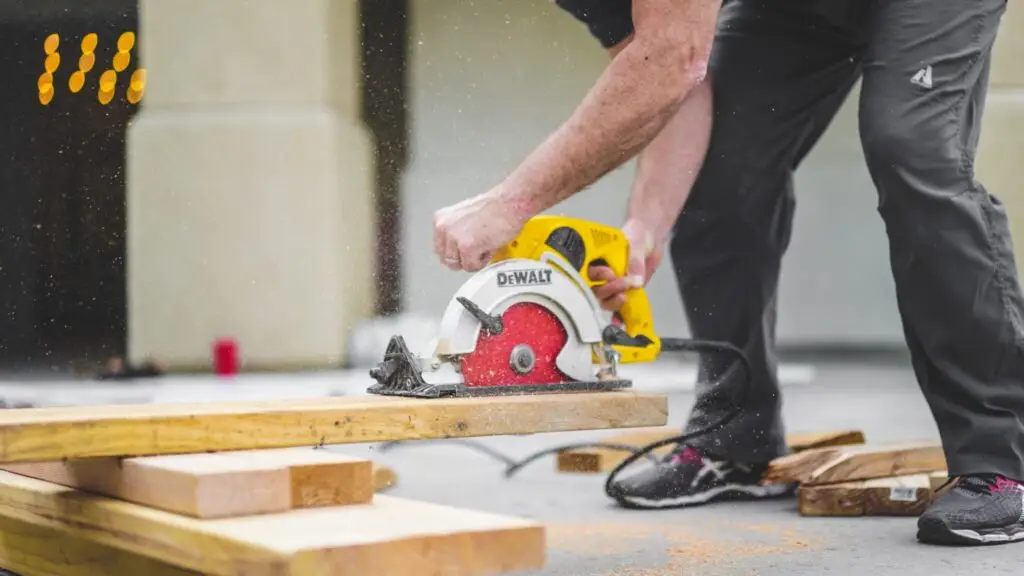
Effective equipment tracking is crucial for any modern business, especially in industries like construction, infrastructure, utilities, and maintenance where machinery and tools represent major investments and are also necessary to fulfill the tasks in general. With advances in GPS tracking, barcode and RFID technology, and cloud-connected inventory systems, organizations can monitor assets in real-time, reduce theft, streamline logistics, and drive smarter operations.
Why Equipment Tracking Matters: Beyond Loss Prevention
Tool and equipment loss, misuse, and downtime are expensive. In construction alone, theft and misplaced assets account for nearly $1 billion in lost equipment every year, leading to project delays, inflated budgets, and frustrated teams. Implementing robust tool tracking and equipment management solutions ensures every asset is accounted for, helps meet compliance obligations, and boosts site productivity.
Key benefits of effective equipment tracking include:
- Significant reduction in theft and loss through rapid location and recovery of assets (thanks to real-time GPS and geofencing alerts).
- Lower administrative overhead as check-in/check-out data is automated—eliminating manual logs and missed items.
- Optimized deployment of underused tools, eliminating unnecessary rentals and duplication.
- Improved safety compliance, with maintenance logs and certification data tied directly to assets (crucial for OSHA or FLSA audits).
- Advanced analytics on utilization, downtime, operator behavior, and maintenance forecasting.
- Greater overall accountability as every asset has a digital trail, fostering a culture of responsibility.
GPS Tool Tracking: The Power of Real-Time Location
GPS tool tracking delivers real-time visibility of costly equipment—whether it’s a skid steer, excavator, or service van. Modern GPS systems offer rugged, weatherproof trackers that can be attached to any kind of equipment. They then update asset positions within a few meters of accuracy and can provide information about usage, status, and more.
Key features include:
- Live dashboards showing all asset locations across jobsites or regions.
- Geofencing alerts for unauthorized movement, helping prevent theft or inform security teams instantly.
- Engine hours, machine usage data, operator behavior, fuel usage, and maintenance scheduling for proactive care and compliance.
- 4G/5G network connectivity for uninterrupted tracking even on remote sites.
- Long-lasting battery or wired options, ensuring GPS units function on assets of all ages and types.
Some GPS trackers extend beyond heavy equipment, offering modular units or Bluetooth-connected tags for small power tools, trailers, or even materials.

Tool Tracking and Inventory: From Barcode to Bluetooth
Tool tracking and inventory systems are transforming how companies manage high-usage gear and handheld items frequently misplaced in daily operations. These platforms use barcodes and QR codes, making it possible to rapidly scan tools in and out of tool rooms or vehicles, offering seamless and automatic updates to inventory records.
Bluetooth tags or beacons can be securely attached to tools, enabling site-specific “gateways” to detect and log movements—even after hours or when mobile devices are not nearby. For bulk tracking, RFID tool tracking technology allows automated monitoring of batches or entire pallets. Convenient mobile apps tie the system together, letting managers quickly check an item’s availability, assign it to a worker, and set automated reminders for scheduled inspections or calibrations.
This integration of technologies reduces tool loss, streamlines retrieval, and keeps inventory records up to date—ensuring that managers always know what assets they have and where those assets are, all without the headache of manual paperwork.
Equipment Inventory Management: Digitalization and Control
Managing asset lifecycles is seamless with digital equipment inventory management software:
- Every machine or tool is logged with unique ID, photos, maintenance logs, and location data.
- Cloud-based databases are accessible from any device, allowing instant asset checks, transfers, and maintenance updates.
- Custom dashboards visualize asset utilization, downtime, maintenance status, and audit history.
- Compliance documentation (repair logs, safety certificates, calibration dates) is centralized and accessible for audits.
- Automated notifications alert managers to service needs, warranty expiries, and scheduled certifications.
Modern solutions like Timly help businesses avoid unplanned downtime, cut costs, and pass regulatory checks effortlessly.
Tool Management in Practice: Accountability and Efficiency
Tool management solutions are transforming company culture from reactive to proactive. When every tool assignment, movement, and status change is digitally recorded, accountability increases—employees take greater care of what’s checked out to them, reducing careless loss and misuse. Managers gain:
- Instant reports on who has what tool, reducing time spent tracking down missing gear.
- Automated issue and return logs, promoting prompt returns and less hoarding.
- Data-driven purchasing—knowing which tools are over- or underutilized informs smarter investments.
Vehicle and Equipment Tracking: Integrating Fleets and Assets
Fleet vehicles, service vans, and heavy machinery can all be monitored easily from one dashboard. With real-time tracking, managers always know where their assets are and can optimize routes as needed. Usage monitoring lets teams understand how vehicles and machinery are being used, which is essential for both productivity and compliance. Maintenance schedules and regular compliance checks are managed digitally, so vehicles never miss essential service or inspections.
The dashboard also gives insights into how often each vehicle is used and how drivers perform on the job. If a vehicle is used without permission, left idling too long, or taken off its assigned route, the system sends out alerts right away to protect both assets and schedules. Because the dashboard integrates with broader asset management systems, teams can manage both vehicles and equipment together. This leads to smoother workflows and far more reliable recordkeeping.

Barcode and RFID Tool Tracking: Fast and Scalable
Barcoding and RFID are ideal for tracking thousands of assets quickly:
- Unique barcodes or RFID chips attached to every tool or equipment piece.
- Rapid audits using mobile scanners.
- Reduces manual errors and rental disputes.
- Batch tracking enables industrial-scale jobsites to pin down tools, scaffolding, materials, and more.
Combined with smart software, audits go from taking days to just hours, even for the largest organizations.
The Future of Equipment Tracking: AI, IoT, and Predictive Analytics
Looking ahead, artificial intelligence and the Internet of Things (IoT) are revolutionizing equipment tracking:
- AI interprets data from millions of tracking events to predict equipment failures and optimize asset rotation.
- Predictive analytics guide procurement, maintenance, and project planning.
- IoT sensors on equipment track not only location but operating conditions (temperature, humidity, impact), instantly flagging misuse or unsafe storage.
Such innovations make tracking an active force in risk reduction, project profitability, and sustainability—delivering value beyond basic accountability.
Conclusion: Equipment Tracking as a Business Essential
Equipment tracking is no longer optional for growth-focused businesses. GPS, barcodes, RFID, and user-friendly asset management software unlock higher productivity, cut theft, improve compliance, and drive bottom-line results. Adopting digital tool tracking and inventory management is about creating a culture of responsibility, empowering staff, and enabling management to work smarter, not harder.
For seamless integration, advanced analytics, and hassle-free compliance, discover how Timly’s platform transforms equipment tracking and makes every asset count. Book a free, no-obligation demo today to learn more.
FAQs About Equipment Tracking
GPS tool tracking uses satellite location data to monitor and recover high-value assets in real-time, prevent theft, and help optimize deployment and maintenance schedules.
Barcodes and RFID tags are attached to tools or equipment. Scanning these tags automates inventory, tracks usage, and minimizes manual errors, making audits and tool assignment seamless.
Yes. Advanced systems log usage hours, maintenance dates, and inspection status, issuing automated alerts when service is needed, reducing breakdowns and costly downtime.
Absolutely—digitizing tool inventory saves time, reduces losses, improves accountability, and is scalable as your business grows.
Modern solutions are designed for fast deployment—most require only plug-and-play hardware, mobile apps, and a user-friendly dashboard. Barcode, Bluetooth, and GPS integrations make setup and expansion hassle-free.
Related Articles

RFID Tool Tracking: Complete Guide To Smart Tool And Equipment Management
October 9, 2026
IT Asset Management (ITAM): Definition, Advantages & Modern Solutions
September 12, 2025
Enterprise Asset Management: The Complete Guide to Optimizing Equipment
August 7, 2026
Hospital Asset Tracking: How RFID And Barcodes Transform Medical Equipment Management
June 8, 2026

Asset Lifecycle Management: Strategies for Equipment, Devices, and Tools
November 21, 2025