IoT Asset Tracking: The Complete Guide for 2026
From insight to action – get to know Timly now!

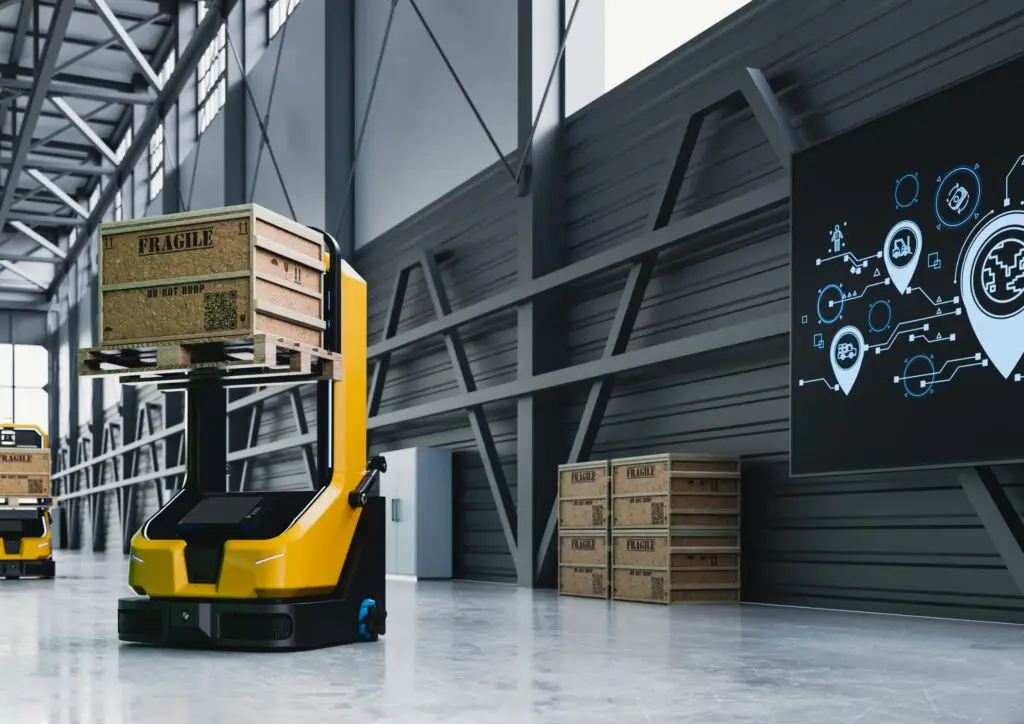
Losing track of equipment, vehicles, or inventory costs businesses far more than just the price of the missing item. Instead, every misplaced tool triggers wasted search time, delayed projects, and unnecessary repurchases.
IoT asset tracking solves this problem by giving organizations real-time visibility into where their physical assets are, how they are being used (and by whom), and what condition they are in.
Instead of manual clipboard checks or outdated spreadsheets, an IoT asset tracker uses connected sensors and cloud software to report an asset’s location and status automatically, around the clock. This guide explains how IoT asset tracking works, what technologies power it, and how to choose the right system for your organization.
What Is IoT Asset Tracking?
IoT asset tracking is the use of internet-connected sensors and devices to monitor the location, movement, and condition of physical assets in real time.
It combines hardware (tags, sensors, and trackers), connectivity (cellular, Wi-Fi, Bluetooth, or LPWAN), and software (a centralized dashboard or platform) to give businesses continuous insight into their equipment, vehicles, containers, and tools.
Unlike traditional asset tracking, which relies on periodic manual scans or even paper logs, IoT-based systems transmit their data automatically. A sensor attached to a forklift, for example, can report its GPS coordinates, battery status, and usage hours without anyone lifting a barcode scanner.
Asset Tracking vs. Inventory Tracking
The terms asset tracking and inventory tracking are often used interchangeably, but they describe two distinctly different processes:
| Aspect | Asset Tracking | IoT Inventory Tracking |
|---|---|---|
| Focus | Reusable, high-value items (machinery, vehicles, tools) | Consumable or sellable stock (products, materials, supplies) |
| Goal | Prevent loss, monitor condition, optimize utilization | Maintain accurate stock counts and reorder points |
| Typical Devices | GPS trackers, BLE beacons, RFID tags | Barcodes, RFID tags, smart shelves |
| Data Priority | Location, condition, usage history | Quantity, movement in/out, expiration |
Many organizations use both systems together, since assets and inventory frequently move through the same facilities.

How IoT Asset Tracking Works
An IoT asset tracking system generally follows the same basic flow, regardless of industry or asset type:
- A sensor or tag is attached to the asset.
This could be a GPS tracker bolted to a trailer, an RFID tag on a pallet, or a BLE beacon clipped to a medical device. - The device collects data.
Depending on the sensor, this might include location, temperature, humidity, vibration, or usage hours. - Data is transmitted over a connectivity network.
Common options include cellular (4G/5G), Wi-Fi, Bluetooth Low Energy (BLE), Low-Power Wide-Area Networks (LPWAN such as LoRaWAN or Sigfox), and RFID. - The data reaches an asset management platform.
A cloud-based dashboard aggregates the incoming data, applies analytics, and stores historical records. - Authorized users access insights.
Managers view real-time locations, receive automated alerts (such as geofence breaches or low battery warnings), and generate reports.
Common IoT Asset Tracking Devices
Choosing the right hardware depends on the asset’s value, environment, and how often it moves. The most widely used device types include:
- GPS/GNSS Trackers: Best for high-value, mobile assets like vehicles, trailers, and heavy equipment that need continuous, precise location data.
- RFID Tags: Ideal for short-range identification, such as tracking tools or pallets as they pass through a reader at a doorway or dock.
- BLE Beacons: Useful for indoor positioning, since GPS signals don’t penetrate buildings well; common in hospitals and warehouses.
- LPWAN Sensors: Designed for long battery life and long-range transmission at low cost, suited to tracking containers or equipment across wide areas with infrequent updates.
- Smart Labels: Lightweight, often disposable tags for lower-value or shorter-lifecycle items.
Connectivity Options Compared
| Connectivity | Range | Power Use | Best For |
|---|---|---|---|
| Cellular (4G/5G) | Wide/national | Higher | Vehicles, high-value mobile assets |
| Wi-Fi | Building-level | Medium | Indoor tracking with existing infrastructure |
| BLE | Short (a few meters) | Low | Indoor proximity tracking |
| LPWAN (LoRaWAN, Sigfox) | Long range, low bandwidth | Very low | Remote or stationary assets with infrequent check-ins |
| RFID | Very short (reader-dependent) | Passive/none | Warehouse and dock tracking |
Key Benefits of IoT Asset Management
Implementing an IoT asset management system delivers measurable gains across several areas:
- Real-Time Visibility: Know exactly where every asset is at any moment, eliminating time wasted searching for equipment.
- Loss and Theft Prevention: Geofencing and instant alerts flag when an asset leaves an authorized zone.
- Improved Utilization: Usage data reveals underused equipment, helping teams right-size fleets and avoid unnecessary purchases.
- Predictive Maintenance: Condition sensors (vibration, temperature, run-hours) flag wear before it causes a breakdown, reducing unplanned downtime.
- Regulatory Compliance: Automated logs of temperature, location, or handling support audits in regulated industries like pharmaceuticals or food transport.
- Cost Savings: Fewer lost assets, less manual labor, and better maintenance scheduling all reduce operating costs over time.
Industries That Benefit From IoT Asset Tracking
While almost any asset-heavy business can use IoT tracking, a few industries see especially strong returns:
- Construction
Tracking heavy machinery and tools across multiple job sites reduces theft and idle equipment costs. - Healthcare
Locating mobile equipment like wheelchairs, infusion pumps, and defibrillators quickly can directly affect patient outcomes. - Logistics and Transportation
Real-time tracking of trailers, containers, and cargo improves delivery accuracy and reduces shrinkage. - Manufacturing
Monitoring tools and machinery on the factory floor supports lean operations and predictive maintenance. - Agriculture
Tracking vehicles and equipment across large, often remote properties benefits from long-range LPWAN connectivity. - Rental and Equipment Leasing
Companies renting out machinery use tracking to confirm location, monitor usage hours for billing, and recover overdue equipment.

How to Implement an IoT Asset Tracking System
Rolling out a new system works best as a phased process rather than an all-at-once switch.
Step 1: Define Goals and Metrics
Start by identifying what you want to improve: fewer lost assets, better maintenance scheduling, or more accurate utilization data. Set measurable KPIs, such as average time between maintenance cycles or reduction in asset search time, so you can evaluate success later.
Step 2: Choose the Right Devices and Connectivity
Match the technology to the asset. A stationary generator in a remote field doesn’t need the same tracker as a delivery van moving through cities daily. Consider the asset’s value, environment (indoor vs. outdoor), and how frequently location updates are needed.
Step 3: Select an Asset Tracking Software Platform
The software layer is what turns raw sensor data into usable insight. Look for a platform that offers:
- A centralized dashboard with real-time maps
- Configurable alerts and geofencing
- Integration with existing maintenance or inventory systems
- Reporting and audit trail capabilities
- Scalability as your asset count grows
Step 4: Pilot, Train, and Roll Out
Test the system on a small subset of assets before a company-wide rollout. Train staff on how to interpret alerts and use the dashboard, and establish clear policies for tagging new assets going forward.
Step 5: Monitor, Integrate, and Refine
Once live, integrate the tracking data with maintenance management or inventory control systems for a fuller operational picture. Review your KPIs regularly and adjust device placement or alert thresholds as needed.
Choosing the Right IoT Asset Tracking Solution
When evaluating vendors or platforms, keep a few practical questions in mind:
- Does the connectivity type match your physical environment (indoor, outdoor, remote)?
- Can the platform scale as you add more assets or locations?
- Does it integrate with your current maintenance, inventory, or ERP systems?
- What is the total cost, including hardware, connectivity fees, and software subscriptions?
- How reliable is battery life for the devices you’re considering?
A modern asset management platform like Timly brings these pieces together in one place, combining IoT-enabled tracking with digital inventories, maintenance scheduling, and reporting.
Instead of juggling separate spreadsheets and tracking tools, teams using Timly can see asset location, condition, and service history side by side, which simplifies both day-to-day operations and compliance reporting.
For organizations already managing a mix of equipment, vehicles, and tools, Timly’s approach to IoT asset management helps consolidate that oversight without adding administrative overhead.
Bringing It All Together: Smarter Asset Oversight Starts With Better Data
IoT asset tracking has moved from a niche technology to a practical necessity for any organization managing physical equipment, vehicles, or inventory. By combining the right sensors, connectivity, and software, businesses gain real-time visibility that manual processes simply cannot match. This leads to reduced losses, improved utilization, and structurally supported proactive maintenance.
The organizations that get the most value are the ones that start with clear goals, choose hardware suited to their specific assets, and pair it with software that turns raw data into actionable decisions. Platforms like Timly make that transition more manageable by unifying tracking, maintenance, and reporting in a single system built for exactly this purpose.
FAQs About IoT Asset Tracking
GPS tracking is one method used within IoT asset tracking, specifically for outdoor location data. IoT asset tracking is the broader system, which can also include RFID, BLE, and LPWAN technologies for indoor tracking, condition monitoring, and other data beyond location.
Costs vary widely based on the number of assets, device type, and connectivity method. Expect to budget for hardware (per tracker), ongoing connectivity fees (especially for cellular devices), and a software subscription, which is often priced per asset or per user.
Common sensors include GPS/GNSS modules for location, temperature and humidity sensors for condition monitoring, vibration sensors for equipment health, and RFID or BLE chips for proximity-based identification.
Yes. Since GPS signals don't reliably penetrate buildings, indoor tracking typically relies on BLE beacons, Wi-Fi positioning, or RFID readers placed at key checkpoints instead.
For small businesses with a limited number of high-value or frequently misplaced assets, even a basic IoT tracking setup can quickly pay for itself through reduced loss and less time spent searching for equipment.
Related Articles

GPS Asset Tracking & IoT Asset Management: Next-Level Control for Heavy Equipment
September 27, 2025
IT Asset Management (ITAM): Definition, Advantages & Modern Solutions
September 12, 2025
Hospital Asset Tracking: How RFID And Barcodes Transform Medical Equipment Management
June 8, 2026
RFID IT Asset Tracking: How It Works, Real Costs & Implementation Guide
April 27, 2026
Construction Asset Tracking: Best Practices for Equipment, Fleet, and Tool Management
August 20, 2025
Enterprise Asset Management: The Complete Guide to Optimizing Equipment
August 7, 2026